20430 Brian Way, #1b
Tehachapi, CA 93561

Techniques
Chiropractic Techniques Used
Applied Kinesiology
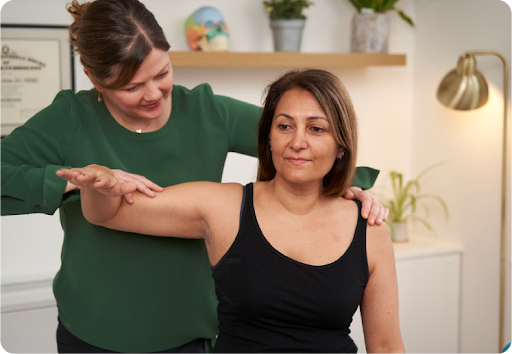
Applied Kinesiology is a safe and non-invasive diagnostic system using muscle testing as a tool for evaluating neurological function. The methodology focuses primarily on neuromuscular function as it relates to the structural, chemical and neurological regulatory mechanisms. Muscle testing assesses the impact of the nervous system on patient health, helping AK practitioners look for the source of disease in the balance of the sensory system with the motor system.
Licensed healthcare professionals use Applied Kinesiology to identify the source for muscle and joint pain as well as structural and gastrointestinal issues which can often be treated affordably. Many patients with complex conditions have turned to Applied Kinesiology when nothing else has worked for them. Experienced AK professionals around the globe are safely relieving the suffering related to the debilitating effects of injury, pain, anxiety, depression, fibromyalgia, adrenal fatigue, PTSD, and more, bringing unexpected hope and relief.
Thompson Drop table
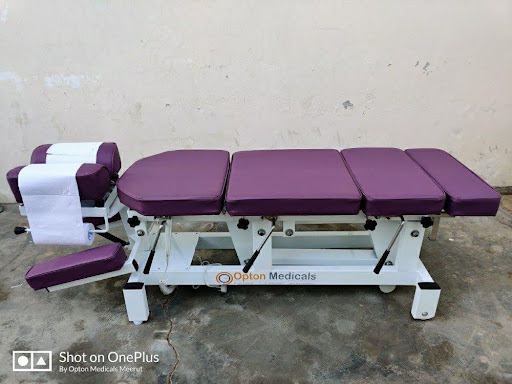
A drop table is a specialized chiropractic adjustment table equipped with sections that can lift slightly and then “drop” down quickly when light pressure is applied by the chiropractor. This subtle drop allows for a more comfortable adjustment by using gravity and momentum—rather than force—to realign the spine. Most patients prefer this over being “twisted”, especially in the neck area. And Yes, my table is purple (my favorite color)!
Activator and Arthrostim
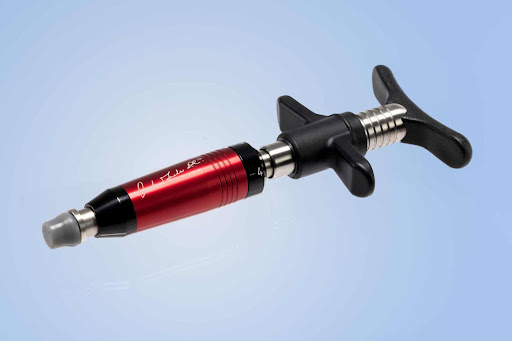
Both Activator and Arthrostim adjustments are gentle, instrument-assisted chiropractic treatments that deliver precise, low-force impulses to restore joint motion and improve mobility. The Activator is a manually operated instrument that delivers a precise gentle single impulse to a designated joint.
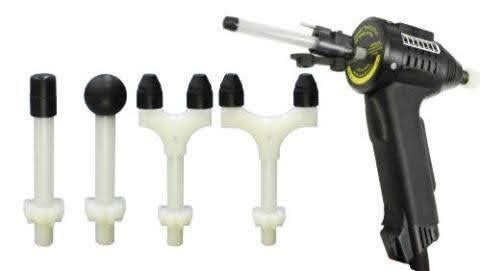
The Arthrostim is a electric powered tool that provides several gentle impulses in very rapid succession. Usually, there are 12-14 impulses per second to help increase a patient’s mobility.
Extremity Adjusting
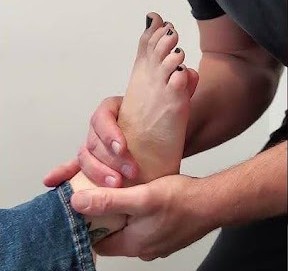
Extremity adjusting is a specialized chiropractic technique that involves manipulating joints outside the spine — such as shoulders, elbows, wrists, hips, knees, ankles, feet, and the temporomandibular joint (TMJ) — to restore normal motion, reduce pain, and improve overall biomechanics.
Muscle Balancing
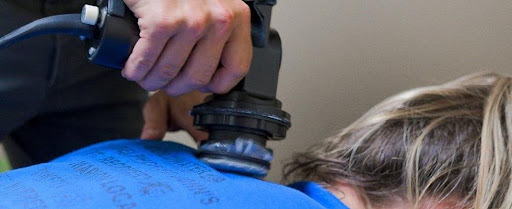
Muscle Balancing is a technique that stimulates the Muscles to function properly. This uses several muscle techniques including origin-insertion stimulation, Fascial release, and breaking up scar tissue in order to help restore the muscles to proper function.
© 2026 Dare2Care Chiropractic. All rights Reserved - Accessibility Statement - Privacy Policy - Sitemap
Powered by
